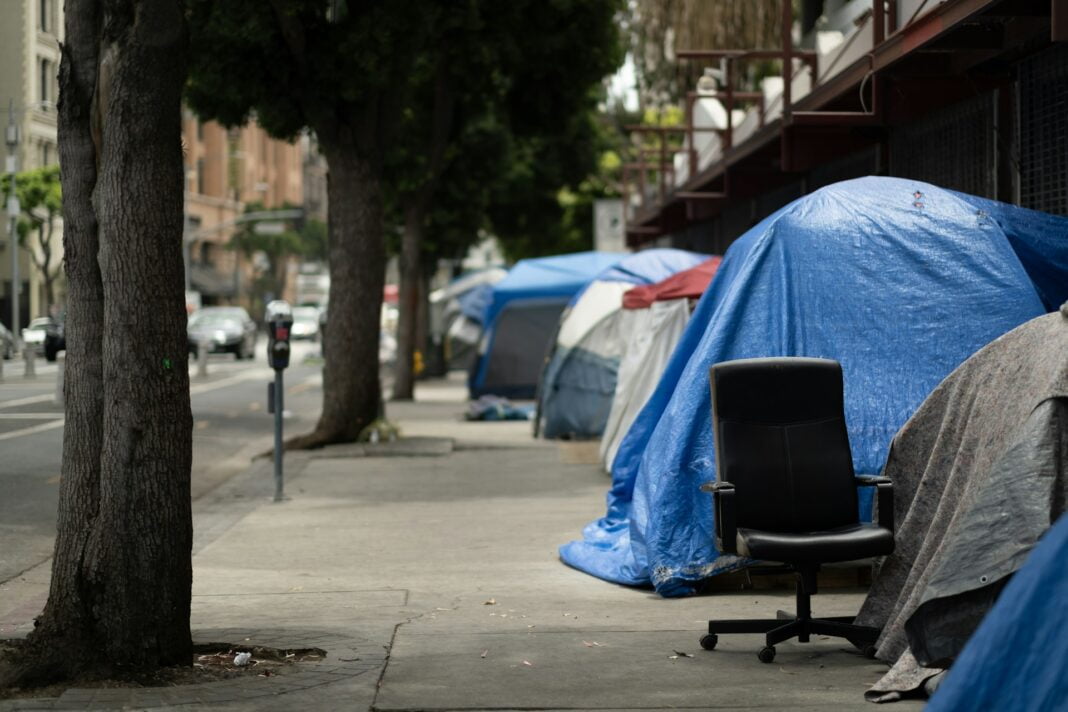


Recently, while scrolling through a local crime watch page on Facebook, I came across a post that left me baffled and deeply concerned about the state of our society. The original post was straightforward: a concerned citizen reported that several homeless individuals were squatting at a defunct orthodontic office in our community. The police had been called but said they couldn’t do anything about the situation.
What happened next in the comments section was nothing short of astonishing. Rather than discussing how to address the issue or sympathize with the original poster’s concern, the responses were a barrage of attacks. Commenters told the poster to “mind their own business” and accused them of making life more challenging for the homeless people trying to find a place to stay. Some even went as far as to call the poster a “Karen,” a derogatory term often used to describe someone perceived as overstepping social boundaries.
This kind of response is troubling—it’s emblematic of a more significant societal problem. The original poster was trying to address a legitimate concern: people were unlawfully occupying private property. Instead of engaging in a constructive conversation about how to help both the property owner and the homeless individuals, the discussion devolved into personal attacks and moral grandstanding.
Let’s be clear: homelessness is a serious issue that deserves compassion and thoughtful solutions. But does that mean it’s acceptable to overlook illegal activities like squatting? Should we condone breaking the law because we empathize with the perpetrators’ circumstances? These questions are essential because they force us to examine the balance between compassion and justice.
Consider this: Is it okay to steal from a grocery store because someone is hungry? Is it okay to murder someone because you’re mad at them? Most people would agree that the answer to both questions is no. While the circumstances may elicit sympathy, they do not justify illegal actions. The same logic should apply to the situation the original poster highlighted. Just because someone is in a difficult situation does not give them the right to occupy private property without permission.
This kind of reaction, where people are quick to vilify those who raise concerns or enforce boundaries, is part of a troubling trend. We increasingly live in a society where emotions and social media outrage blur the lines between right and wrong. When did it become acceptable to attack someone for pointing out a legitimate issue? How did we get to the point where addressing a problem is seen as the problem itself?
The situation reflects a more significant societal shift where feelings are often prioritized over facts and where the loudest voices on social media can drown out reasoned discourse. This is dangerous because it creates an environment where it’s easier to attack the messenger than to address the message. It’s easier to call someone a “Karen” than to have a difficult conversation about the complexities of homelessness and property rights.
We need to move away from this mentality. Constructive dialogue, not divisive rhetoric, will help us find solutions to the challenges we face as a community. If we continue attacking those who raise concerns, we risk creating a society where problems are ignored rather than solved.
The post on the crime watch page should have sparked a meaningful discussion about homelessness and property rights, about how we can help those in need without compromising the rule of law. Instead, it became a platform for insults and virtue signaling. This is not how we solve problems. This is how we create them.
Ultimately, it’s important to remember that while compassion is crucial, it should not come at the expense of justice. We can care for the homeless while still respecting property rights. We can help those in need without vilifying those who call attention to unlawful behavior. But to do that, we must be willing to have honest, respectful conversations—even when it’s uncomfortable. That’s how we create a society that’s both compassionate and just.