

The Department of Health and Human Services announced Thursday that it will commit up to $4.9 million over five years to prepare for research on ibogaine as a potential treatment for post-traumatic stress disorder and other serious mental illnesses. Veterans are among the groups the federal effort aims to help. For now, the awards cover work that would come before a U.S. clinical trial.
What the awards pay for
The Advanced Research Projects Agency for Health selected two teams for the initial awards. Beond will assemble data researchers can use to assess questions about safety, dose, effectiveness and how long any benefit might last. Mark Cuban Cost Plus Drug Company will work on the research and manufacturing requirements for making an experimental form of the drug in the United States. The amount each team receives will depend on whether it meets project milestones.
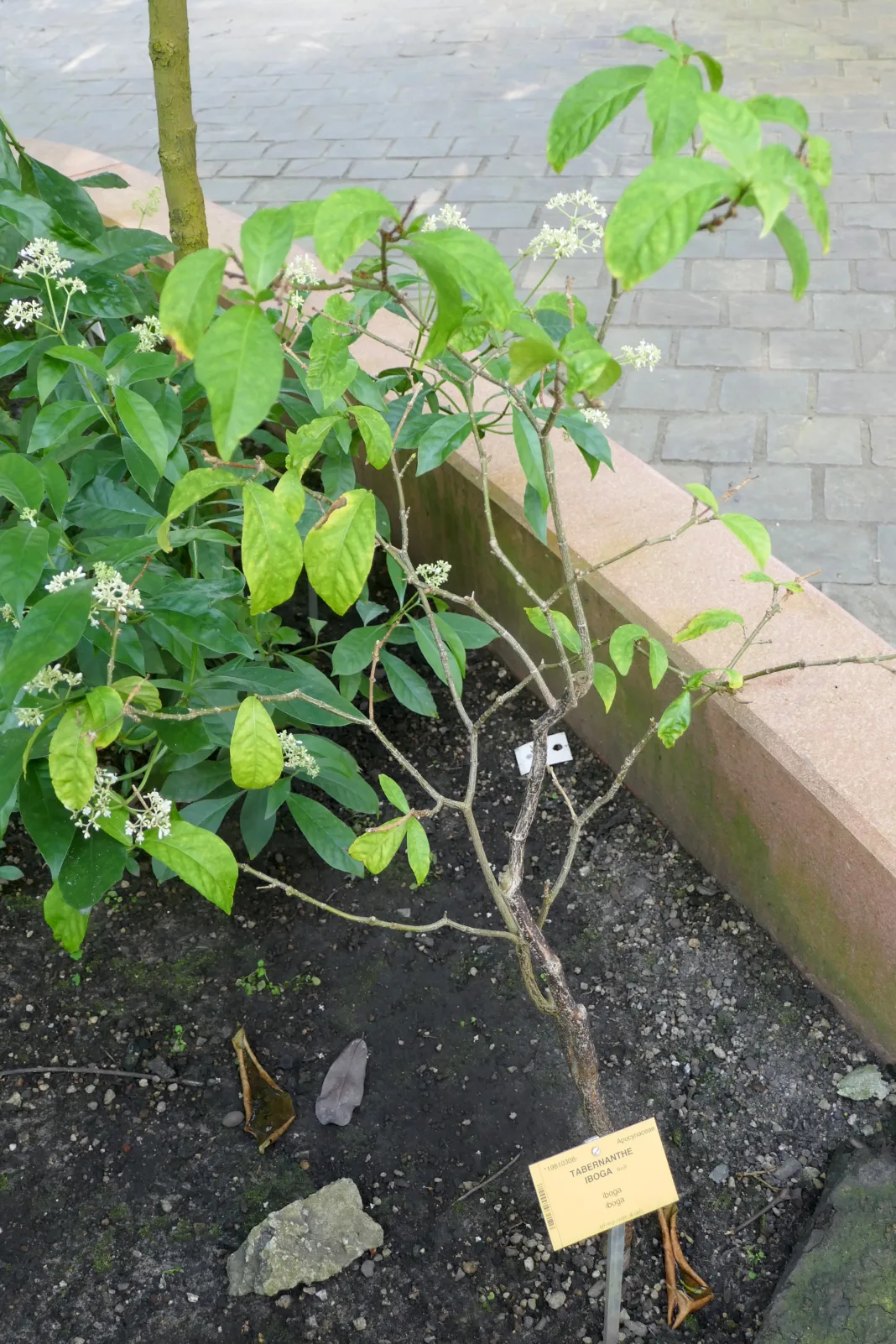
Ibogaine is a compound found in the iboga shrub. Much of the information about its effects in people has come from clinics outside the United States, The Associated Press reported. The drug can also cause dangerous irregular heart rhythms, a risk that researchers would have to address in any future trial. Controlled studies would help establish whether the reported benefits hold up and how those benefits compare with the risks.
What would have to happen before a trial
The federal awards do not pay for treating patients or authorize research involving human participants, HHS said. The work is meant to produce data and experimental drug products that researchers could use in filings with the Food and Drug Administration. An investigational filing would be a step toward testing the drug. FDA approval to market it would require a separate review. The announcement gave no timetable for enrollment.
ARPA-H is also reviewing proposals for a separate effort focused on opioid use disorder. That effort would build on the early ibogaine work, with patient safety among the priorities for initial studies. The current awards are focused on setting up the research needed to answer those questions.
A separate $20 million research opportunity
HHS also announced that the National Institute of Mental Health is offering $20 million for a research network to study faster-acting psychiatric drugs. The opportunity covers compounds including ketamine, esketamine and psilocybin. The network is a separate initiative from the two ibogaine awards. For veterans and civilians who have struggled to find relief from existing treatments, Thursday’s announcement identifies what researchers will investigate and who will do the work. Access to any future treatment still depends on the evidence those studies produce.