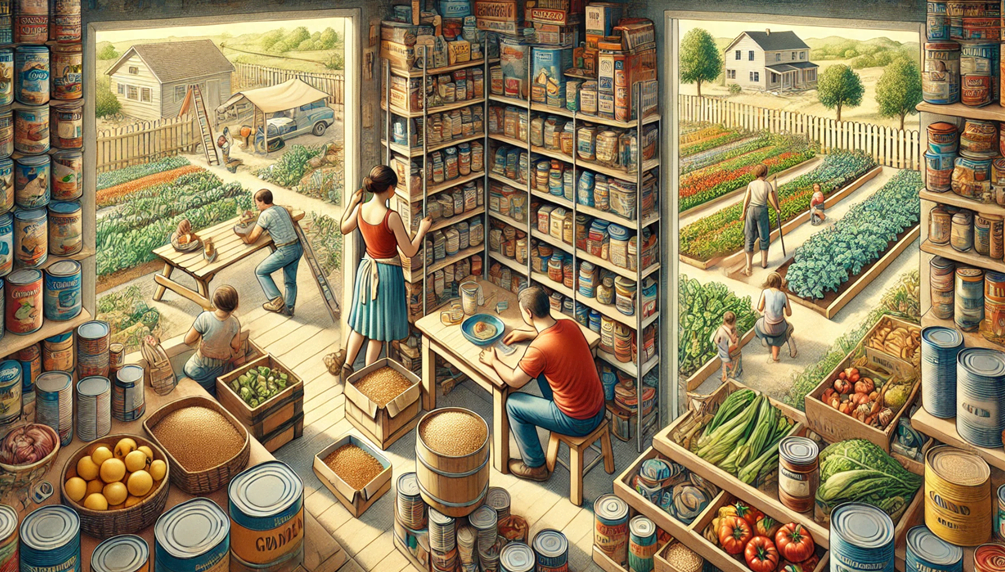


In today’s world, the importance of food storage and self-sufficiency has never been more evident. From global supply chain disruptions to natural disasters, economic instability, and geopolitical tensions, being prepared is no longer just a choice—it’s a necessity. Let’s explore why cultivating self-sufficiency and maintaining a food storage plan is critical for personal security and supporting our neighbors and communities in need.
Global Supply Chain Disruptions
One of the most significant lessons learned during the COVID-19 pandemic was the vulnerability of global supply chains. The shutdown of factories, delays in transportation, and labor shortages created widespread shortages of essential goods, including food. Even now, the aftershocks of these disruptions continue to affect food availability and pricing. Supply chain vulnerabilities can quickly leave grocery shelves bare, leaving individuals and families scrambling to find necessities.
Being prepared with a stockpile of non-perishable foods, like grains, canned goods, and dried fruits, helps mitigate the uncertainty of these disruptions. Not only can food storage keep your household secure during emergencies, but it also positions you to lend a helping hand to neighbors who may not be as prepared.
Economic Instability and Rising Inflation
Another reason to focus on food storage is the rising cost of living, particularly when it comes to food prices. Global inflation, exacerbated by ongoing conflicts like the war in Ukraine, has increased costs for essential goods such as wheat, oil, and fertilizers. As these commodities become more expensive, so do the end products on grocery shelves.
Storing food protects you from fluctuating prices and can be a financial buffer. Bulk buying and preserving food when prices are low is a cost-effective way to stretch your dollar. Additionally, by growing your food through home gardening or community farming, you can ensure a steady supply of fresh produce at a fraction of the cost.
Natural Disasters and Climate Change
Natural disasters such as hurricanes, floods, and wildfires are becoming more frequent due to climate change, leaving many communities cut off from essential supplies for days, if not weeks. These events highlight the necessity of having a well-prepared stockpile and a plan for self-sufficiency. In moments of crisis, when transportation is disrupted, and stores are inaccessible, having enough food and water can make the difference between survival and severe hardship.
Moreover, self-sufficiency through gardening and preserving can build community resilience. A well-prepared neighborhood, where people share resources, tools, and knowledge, can bounce back more effectively from disasters. The principle of “growing what you can” is both sustainable and essential in a world where resources can become scarce in the blink of an eye.
Geopolitical Tensions and Global Conflicts
Ongoing conflicts around the world, such as the war between Russia and Ukraine, have significant repercussions for global food security. Both nations are major exporters of grains and other essential agricultural products. Disruptions in their exports have caused ripple effects across international markets, leading to food shortages and rising prices, especially in regions already vulnerable to food insecurity.
The unpredictability of such geopolitical events serves as a reminder of how interdependent nations are for food production and distribution. Preparing for such uncertainties by cultivating self-sufficiency—whether through local farming, food preservation techniques, or building long-term storage of essential goods—can reduce the impact of such disruptions on your family and community.
Don’t Rely on the Government or Others in a Crisis
While governments and aid organizations work to assist during disasters, relying solely on external help can be risky. In large-scale crises, response times can be delayed, and resources can be stretched thin. As we’ve seen during events like hurricanes and wildfires, government aid may not reach everyone in time, leaving many to fend for themselves. By preparing ahead of time with food storage and self-sufficiency, you ensure that you and your family are not left vulnerable, waiting for assistance that might arrive too late. Moreover, self-reliance means you’ll be in a better position to help those around you who may not have prepared, fostering a sense of community rather than dependence.
Helping Our Neighbors
In times of crisis, preparedness goes beyond individual survival—it’s about building a support network within our communities. When natural disasters or economic hardships strike, not everyone has the means to be fully prepared. This is where those with food stores and self-sufficient practices can assist.
Extra supplies allow you to share with neighbors in need, fostering more robust, resilient communities. It’s essential not to think of preparedness as a solitary endeavor but as a collective effort to ensure the well-being of those around us. After all, a community that supports one another in times of crisis is far more likely to recover and rebuild effectively.
Practical Steps to Build Food Storage and Self-Sufficiency
- Start with a Plan: Create a food storage plan that covers essential staples like grains, canned vegetables, and proteins. Aim for at least three months of supply, with a longer-term goal of six months to a year.
- Grow Your Food: A small backyard garden or balcony container can provide fresh vegetables and herbs. Expand to fruit trees, berry bushes, and other perennial plants if possible.
- Preserve the Harvest: Learn food preservation techniques such as canning, drying, and freezing. These methods allow you to take advantage of seasonal abundance and store food for the future.
- Rotate Stock: Regularly rotate your stored foods to ensure nothing goes to waste. Use older items first and replace them with fresh stock.
- Share Knowledge and Resources: Encourage your neighbors to prepare and consider joining a local gardening club or creating a food-sharing network.
The Importance of a 72-Hour Emergency Kit
In addition to long-term food storage and self-sufficiency, having a 72-hour emergency kit on hand is crucial. This kit is designed to help you survive during a disaster’s critical first few days when help may not be immediately available. It ensures you have access to food, water, and basic supplies if you need to evacuate or if resources are cut off due to emergencies like natural disasters or economic collapse.
A 72-hour kit should include essential items such as:
- Water: At least one gallon per person daily for hydration and basic hygiene.
- Food: Non-perishable, easy-to-prepare items like canned goods, dried fruits, and protein bars.
- First-aid kit: Bandages, antiseptic wipes, pain relievers, prescription medications, and necessary medical supplies.
- Tools: A flashlight, extra batteries, a multi-tool, a whistle, and a manual can opener.
- Hygiene items: Hand sanitizer, wet wipes, and personal hygiene products.
- Clothing and blankets: Extra clothing layers and a thermal blanket to stay warm.
- Communication: A portable phone or solar charger and a battery-powered radio to stay updated on the situation.
Having a well-prepared 72-hour kit ensures that you are not reliant on government aid or external support during the initial stages of a crisis. This level of preparedness allows you to stay self-sufficient while positioning yourself to assist others in your community who might not be as prepared.
Conclusion
The world is changing rapidly, and being prepared with food storage and self-sufficiency is not only an intelligent move for personal security but also a civic responsibility. By taking steps today to build a reserve of essential supplies and grow some of your food, you can help shield your family from the uncertainties of tomorrow. More importantly, you’ll be able to extend a helping hand to your neighbors, creating a stronger, more resilient community in times of need. Preparedness is not just about surviving—it’s about thriving together.