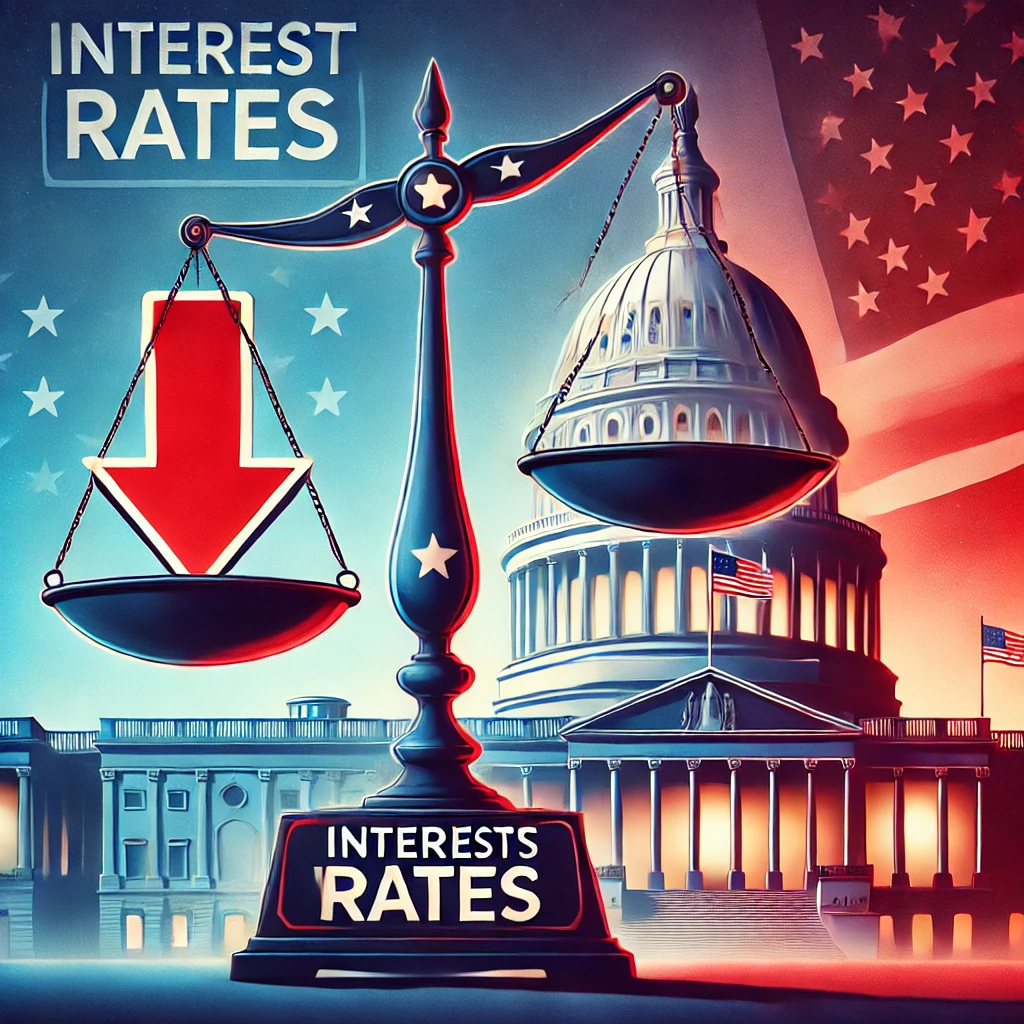


On September 18, 2024, the Federal Reserve cut interest rates by 0.5%, marking a significant turn from its previous focus on combating inflation. After two years of holding rates high, the Fed has decided to pivot, supposedly to stimulate the job market. The new benchmark rate of 4.8% is expected to lower borrowing costs for Americans. But is this move truly in the best interest of the country?
Borrowing Relief or Economic Gamble?
The rate cut may sound like a relief for many—lower mortgage rates, cheaper auto loans, and less costly credit card debt. However, it’s essential to consider the bigger picture. While Democrats may tout this as a victory for the working class, Republicans see this as a short-term fix to a long-term problem that was caused by irresponsible spending and inflationary policies of the current administration. Lower rates could encourage reckless borrowing, further exacerbating our national debt and creating economic instability.
The Inflation Battle: Premature Celebration?
Inflation, which skyrocketed under the Biden-Harris administration, has dropped from its 2022 peak of 9.1% to 2.5%, close to the Fed’s 2% target. But declaring victory over inflation might be premature. Many Americans still feel the sting of high prices at grocery stores, gas stations, and rent payments. The Fed’s decision to lower rates could backfire if inflation rises again, throwing us into another cycle of economic hardship.
The Political Impact: A Convenient Timing
It’s no coincidence that this rate cut comes just before the 2024 presidential election. The Biden-Harris administration is under intense scrutiny, and this move by the Fed may be seen as an attempt to prop up a faltering economy to boost their chances. Republicans, however, see this as a strategic maneuver to buy votes. With Trump’s policies focused on fiscal responsibility, voters must consider whether this temporary relief will truly serve the country’s long-term interests.
Conclusion: A Risky Bet on Borrowing
While the immediate benefits of this rate cut will make headlines, Republicans are right to be cautious. Borrowing may get cheaper, but the underlying economic issues are far from solved. Let’s not forget how we got here in the first place: runaway government spending and poorly managed fiscal policies. The real question is whether the American people are willing to gamble their financial future on short-term fixes or choose the long-term stability offered by conservative leadership.