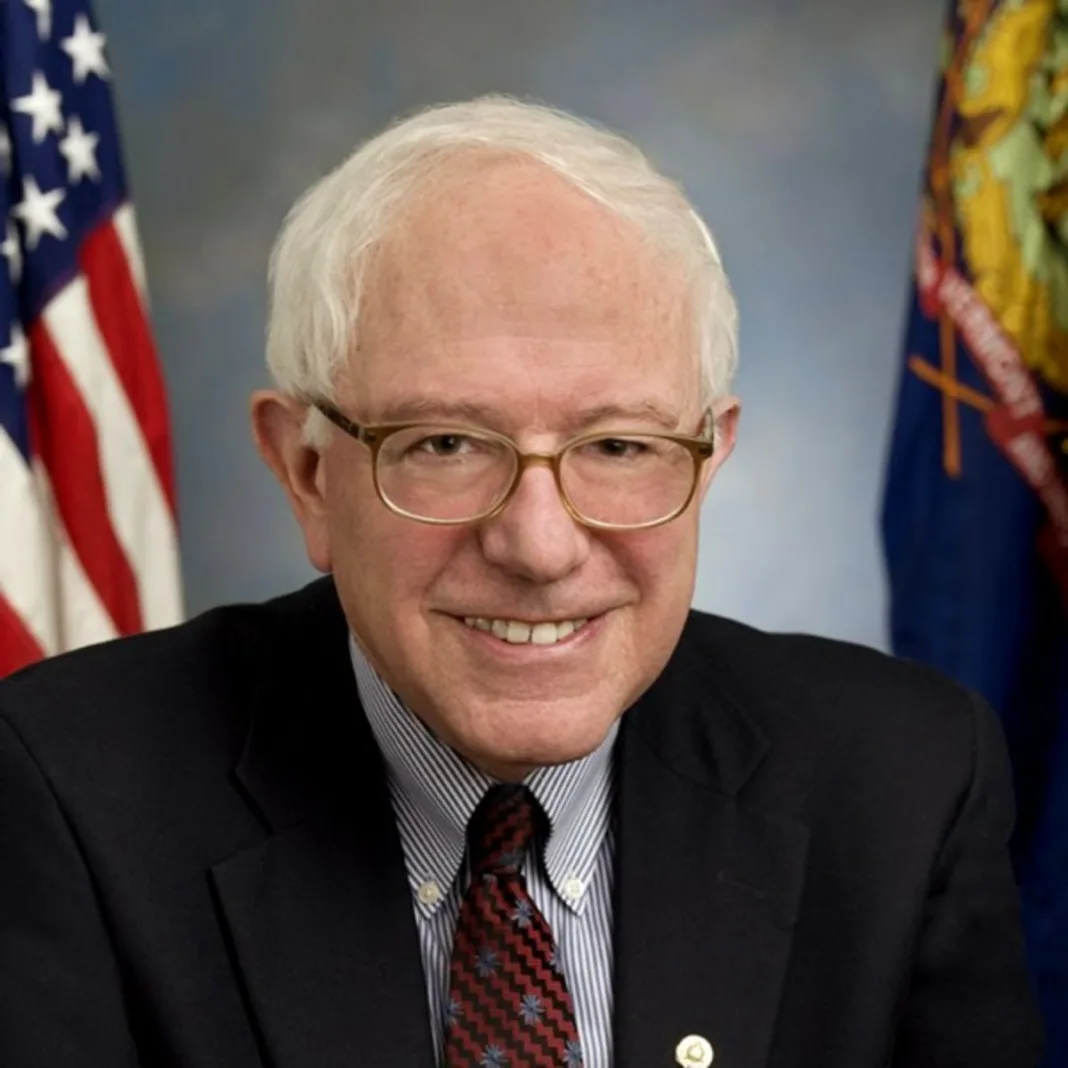


Sen. Bernie Sanders is proposing a four-year transition to universal health coverage, starting with Medicare eligibility at age 55 and broader benefits for people in the program. The Vermont independent outlined how he plans to pursue that agenda in the next Congress in an interview with The Associated Press published Wednesday.
What would change first
In a Nov. 14 opinion piece published by his Senate office, Sanders called for adding dental, vision and hearing benefits and guaranteeing coverage for children through age 19 in the first stage. AP reported that Medicare eligibility would expand to adults starting at age 45 in the second year and age 35 in the third, with universal coverage following in year four.
The proposal would require legislation. The ages in Sanders’ timeline describe how he wants Congress to phase in coverage, so people approaching retirement should continue to plan around current Medicare eligibility rules while lawmakers debate the proposal.
How Congress might consider it
Sanders told AP he believes the first stage could move through budget reconciliation. That route can allow qualifying tax and spending provisions to advance with a simple Senate majority. The scope of any reconciliation package would depend on the text Congress writes and how it fares under the Senate’s budget rules.
An earlier Congressional Budget Office and Joint Committee on Taxation estimate projected that a Medicare eligibility age of 60 under largely existing program rules would add $155 billion to federal deficits from 2026 through 2031. That estimate was published in 2022 and evaluated a different policy. Sanders’ proposal starts at 55, adds benefits and eventually expands coverage to everyone, so its budget effects would require a separate estimate.