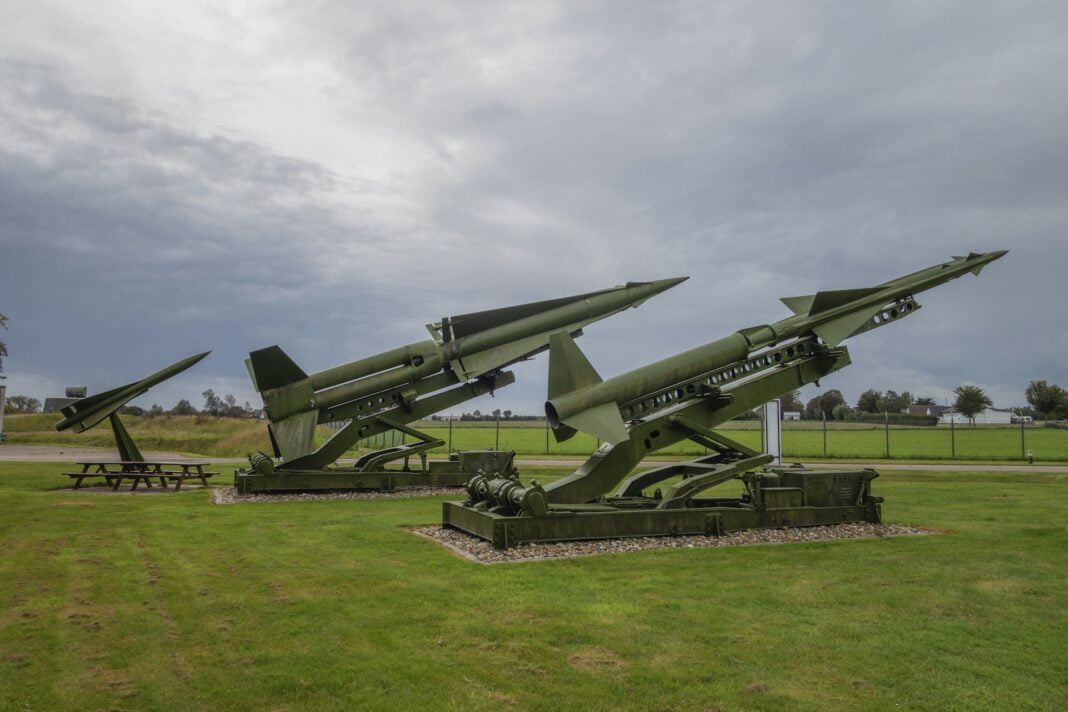


The ongoing conflict between Russia and Ukraine has already caused immense devastation, leading to a significant loss of life, widespread destruction, and escalating tensions across the globe. As the war drags on, the United States has provided substantial military aid to Ukraine, including advanced weaponry and financial support. However, the latest development—reports that Ukrainian representatives are in the U.S. attempting to request permission to use American rockets to strike targets inside Russia—is a move fraught with peril and potential global consequences.
If the United States were to grant permission for Ukraine to use U.S. rockets within Russian territory, the implications could be dire, not only for the involved nations but for the entire world.
Escalation of the Conflict
First and foremost, permitting Ukraine to use U.S. rockets inside Russia would represent a significant escalation of the conflict. While Ukraine has every right to defend its sovereignty and respond to Russian aggression, using American-made weapons on Russian soil could be seen as a direct provocation by Moscow. Such a move might push Russia to retaliate not only against Ukraine but also against Western nations, particularly the United States, which Russia would undoubtedly hold responsible.
This escalation could quickly spiral out of control, leading to a broader conflict involving NATO and potentially igniting a global war. The delicate balance of current power could be shattered, plunging the world into instability not seen since the height of the Cold War.
Strained International Relations
Allowing Ukraine to strike inside Russia with U.S. rockets would also strain the already tenuous relationships between the United States and other global powers, particularly China. Beijing has maintained a cautious stance on the Ukraine conflict, balancing its strategic alliance with Russia against its economic ties with the West. However, such a bold move by the U.S. could push China closer to Russia, further polarizing global alliances and potentially leading to a new axis of power against the West.
Moreover, many of America’s European allies already feel the strain of the conflict in their economies and societies may balk at the idea of taking such a significant risk. The unity that the West has shown in supporting Ukraine could fracture, weakening the collective response to Russian aggression.
Humanitarian and Economic Consequences
The humanitarian consequences of an escalation in the conflict cannot be overstated. A more intense war would lead to more civilian casualties, displacement, and suffering. The Ukrainian people, who have already endured so much, would face even more significant hardships as the conflict potentially spreads beyond their borders. Similarly, Russian civilians, who have been largely insulated from the war’s direct effects, could become victims as well.
Economically, the world could be plunged into a more profound crisis. Energy prices, already volatile due to the conflict, could skyrocket further as global markets react to the increased risk of a wider war. Supply chains, still recovering from the disruptions of the COVID-19 pandemic, would face new challenges, leading to higher costs for goods and services worldwide. Inflation, already a concern in many nations, could surge, leading to greater economic instability and hardship for ordinary people.
The Risk of Nuclear Confrontation
Perhaps the most alarming consequence of allowing Ukraine to use U.S. rockets inside Russia is the potential for nuclear confrontation. Russia, under Vladimir Putin’s leadership, has repeatedly hinted at its willingness to use nuclear weapons if it feels its national security is threatened. A direct strike on Russian soil by American-made weapons could be perceived as just such a threat, pushing Russia to consider deploying its nuclear arsenal.
The consequences of even a limited nuclear exchange would be catastrophic, leading to unimaginable loss of life and long-term environmental damage. The doctrine of mutually assured destruction, which has kept the peace between nuclear powers for decades, would be put to the ultimate test, with no guarantee that rationality would prevail in the face of such heightened tensions.
Conclusion: The Need for Caution
In conclusion, while the desire to support Ukraine in its fight against Russian aggression is understandable and justified, the decision to allow the use of U.S. rockets inside Russia carries with it unacceptable risks. The potential for escalation, strained international relations, humanitarian and economic fallout, and the terrifying possibility of nuclear confrontation all point to the need for caution.
With Ukrainian representatives currently in the U.S. seeking permission to escalate their military capabilities, the United States must tread carefully. Support for Ukraine is essential but must be balanced with the broader implications for global peace and stability. Diplomacy, rather than further military escalation, should be the path forward. The stakes are too high to gamble with the future of the world.