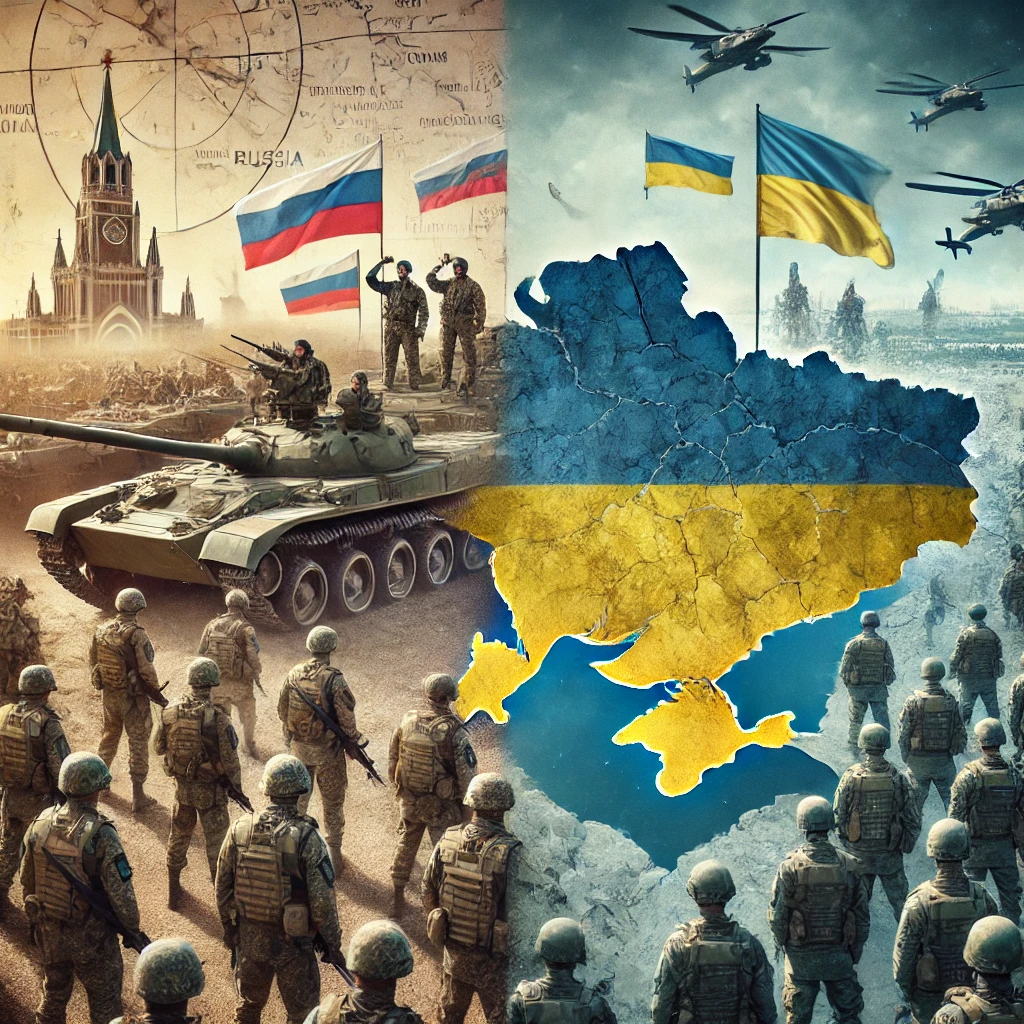


Russian President Vladimir Putin’s decision to once again expand the number of troops in the Russian military, this time by 180,000, is a clear sign that his ill-fated invasion of Ukraine is floundering. As the conflict grinds on with no end in sight, the Kremlin’s continuous expansion of military personnel reflects the deepening desperation of Russia’s leadership. This latest move should serve as a stark reminder to the world of the challenges Russia faces and the resilience of Ukraine.
Putin’s Invasion: A Failing Strategy
Since the invasion of Ukraine in February 2022, Putin has repeatedly increased the size of his military in an attempt to gain the upper hand. This latest decree brings Russia’s military personnel to nearly 2.4 million, including 1.5 million combat troops. The rationale for this expansion is clear: Russia is not winning this war, and its leadership knows it.
Republicans have long been critical of Russia’s aggressive foreign policy, particularly in its attempts to reclaim influence over former Soviet territories. The situation in Ukraine is no different. Putin’s invasion has not only led to significant loss of life but has also exposed the limits of Russia’s military capabilities. Despite their efforts, Russia has been unable to make decisive gains, and Ukraine’s continued resistance demonstrates the failure of Putin’s strategy.
Conscription and Desertion: A Symptom of Desperation
One key factor driving Russia’s military expansion is the heavy losses they have sustained on the battlefield. While Russia officially reports only a fraction of its casualties, Western intelligence estimates suggest that over 600,000 Russian troops have been killed or wounded. This staggering number underscores the cost of Putin’s war and explains why he continues to seek reinforcements.
Previous efforts to mobilize Russian citizens for the war have led to widespread protests and even mass desertions. In 2022, after Putin announced the “partial mobilization” of reservists, hundreds of thousands of Russian citizens fled the country to avoid being conscripted. This reaction reflects the broader sentiment in Russia: many citizens do not support the war, and even fewer are willing to fight in it.
Putin’s continued expansion of the military is unlikely to change this dynamic. Instead, it is a band-aid solution to a deeper problem—the Russian people are weary of this conflict, and forced conscription will only exacerbate the discontent.
Russia’s Hidden Casualties: A Warning to the West
Russia’s reluctance to publicly disclose the actual number of casualties speaks volumes about the state of its war effort. The fact that the Kremlin has not updated its official casualty figures since 2022 shows that Putin’s government fears the political consequences of admitting just how costly this war has been.
For Republicans, this is yet another example of the authoritarian nature of Putin’s regime—one that hides the truth from its people to maintain control. The Russian public has largely been kept in the dark about the true cost of the war, and if they were to learn the full extent of the losses, it could destabilize Putin’s rule.
Western intelligence estimates indicate that Russia is losing over 1,000 troops per day as it tries to defend its positions from Ukraine’s ongoing counteroffensive. These losses should serve as a warning to the West: Putin’s war machine is breaking down, but it remains dangerous. Russia’s instability has the potential to spill over into other regions, and the West must remain vigilant in its support for Ukraine.
Ukraine’s Resilience: A Testament to Western Support
Despite the odds, Ukraine has shown remarkable resilience in the face of Russian aggression. The Ukrainian people, with the backing of Western nations, have managed to push back Russian forces in several key areas. Ukraine’s recent success in launching an offensive into Russia’s Kursk region demonstrates that Putin’s military is not as invincible as he once claimed.
Republicans have long argued that U.S. foreign policy should focus on supporting allies who defend their sovereignty and freedom. Ukraine is a perfect example of why that principle is so important. Ukraine’s resistance is not just about protecting their territory—it’s about standing up for the principles of democracy and self-determination. The West, particularly the United States, has provided crucial military aid and support that has helped Ukraine resist Russia’s onslaught.
For Republicans, the situation in Ukraine is a reminder that American strength and leadership on the world stage matter. By supporting Ukraine, the U.S. is not only helping to stop Russian aggression but also protecting global stability and freedom.
The Global Stakes: Why This Matters for the U.S.
While some may argue that the war in Ukraine is a regional issue, the truth is that it has global implications. Putin’s war is not just an attack on Ukraine—it is an attack on the values of freedom, sovereignty, and self-governance. If Russia is allowed to succeed, it could encourage other authoritarian regimes to pursue similar aggressive policies, threatening global stability.
Republicans have consistently advocated for a robust national defense and a foreign policy that promotes American interests abroad. The war in Ukraine is a prime example of why these principles are so important. A weak response to Russian aggression could lead to more instability in Eastern Europe and beyond, potentially drawing the U.S. into larger conflicts in the future.
Moreover, the economic impact of the war cannot be ignored. Russia’s invasion has disrupted global supply chains, particularly in energy and agriculture. As a result, Americans have felt the effects of rising prices, particularly in energy markets. A decisive end to the conflict is not just in Ukraine’s interest but also in America’s interest.
Conclusion: Putin’s Desperation Will Not Succeed
Putin’s latest troop expansion is a clear sign that his invasion of Ukraine is not going as planned. Despite throwing more soldiers into the fight, Russia’s military is suffering heavy losses, and its citizens are growing increasingly disillusioned with the war. The West must continue to stand firm in its support for Ukraine, both to stop Russian aggression and to protect global stability.
For Republicans, this conflict is a reminder of the importance of a strong national defense and the need for decisive action when authoritarian regimes threaten freedom. The U.S. must continue to lead the global effort to support Ukraine, ensuring that Putin’s desperate attempts to expand his military will ultimately fail.