


NASA’s Neil Gehrels Swift Observatory re-entered Earth’s atmosphere on Nov. 4, ending nearly 22 years in orbit. The U.S. Space Force placed the re-entry over Indonesia’s North Sumatra region at 7:39 a.m. Eastern, NASA said. The agency expected most of the spacecraft to burn up, though some components may have survived.
Why speed mattered
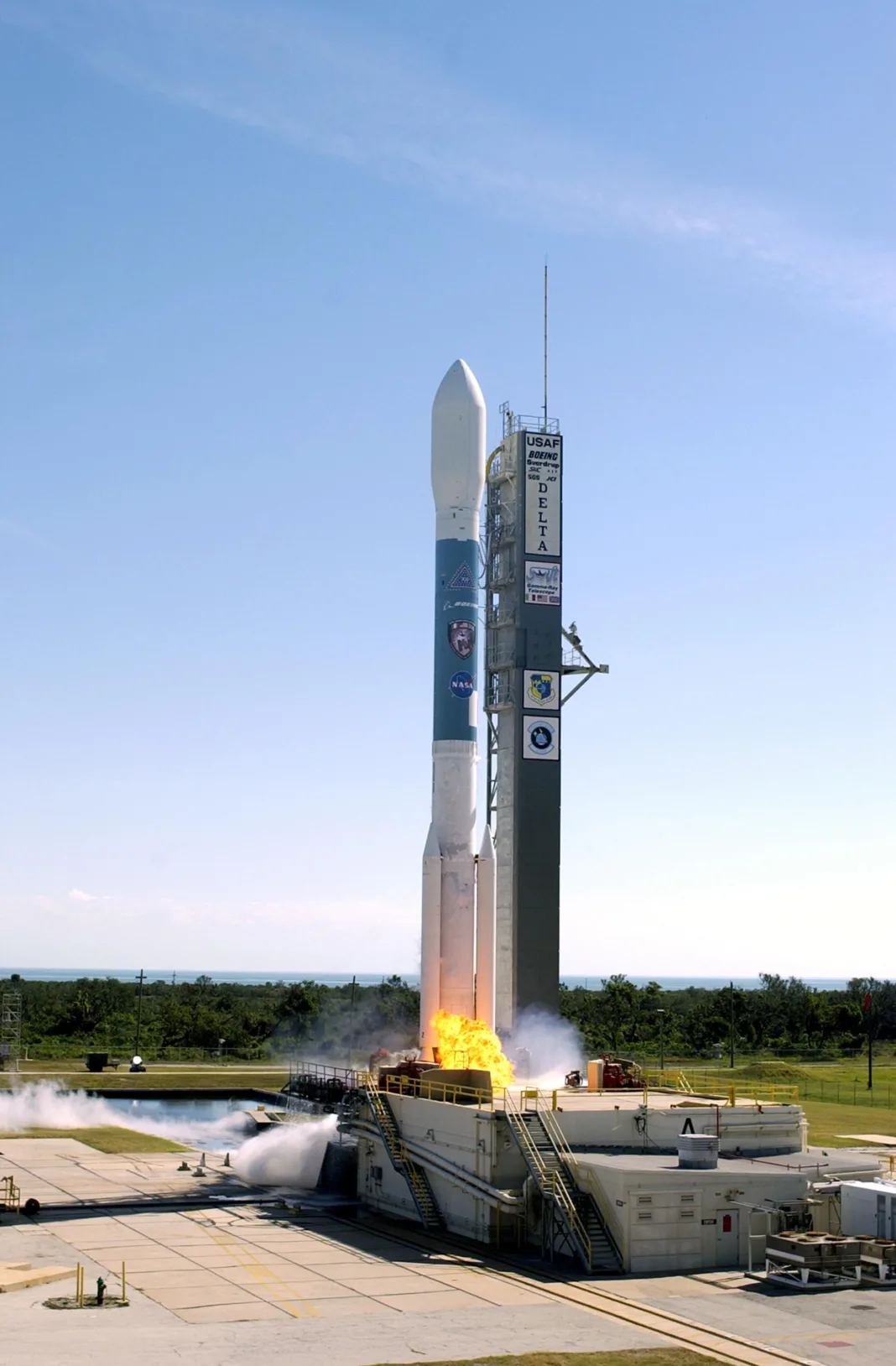
Swift launched in 2004 with a planned two-year prime mission. Its main targets were gamma-ray bursts, brief flashes that can fade quickly enough that a telescope has to turn toward them soon after detection. Swift’s gamma-ray instrument could spot a burst, then the spacecraft could point its X-ray and ultraviolet/optical telescopes toward the same patch of sky. It also alerted other observatories, giving astronomers a chance to follow the event with instruments on Earth and in space.
That combination proved useful beyond gamma-ray bursts. NASA says the observatory also tracked supernova explosions, comets, and flares from stars and from the centers of galaxies. In its Nov. 6 farewell, the agency featured a mosaic drawn from some of the first million images taken by Swift’s ultraviolet and optical telescope.
Why the mission ended
The most recent solar maximum hastened the decay of Swift’s orbit, NASA said. The agency pursued a rescue mission to lift the spacecraft into a higher orbit, but the effort did not succeed. The Associated Press reported that the private company developing the rescue craft ran into difficulties and ended operations in September.
Swift’s instruments can no longer gather new data, but the archive still gives researchers a record of events that would otherwise be difficult to reconstruct after their light faded. The loss also illustrates the distinction between a spacecraft’s ability to keep doing science and its ability to stay in orbit. Swift remained scientifically useful long after its original mission was supposed to end.