
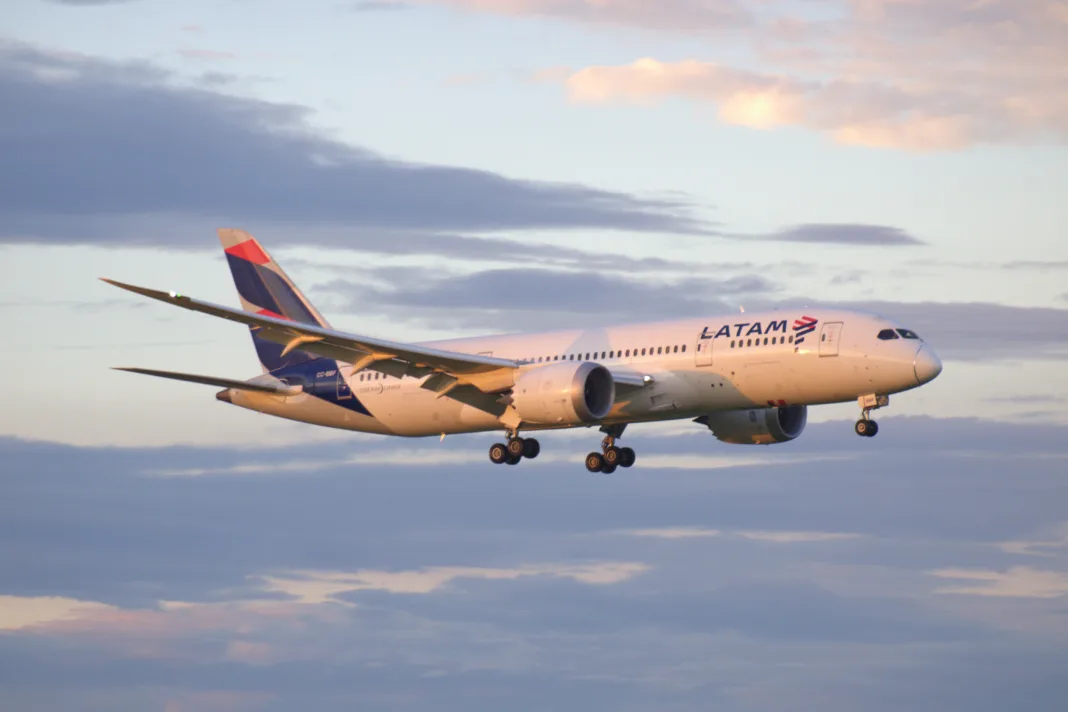


The Federal Aviation Administration will require operators of certain Boeing 787 Dreamliners to replace radio altimeter cables after reports that the system returned unusable data more often than expected at low altitude during approach and landing. The final directive published Monday takes effect Dec. 14.
What the FAA is requiring
The directive covers certain 787-8, 787-9 and 787-10 aircraft identified in a Boeing requirements bulletin. Operators must replace the transmit and receive coaxial cables on both the left and right low-range radio altimeters with larger-gauge cables. The FAA said unreliable data or interruptions in the system, if left unaddressed, could jeopardize safe flight and landing.
A radio altimeter measures height above the surface beneath the aircraft. That makes a reliable reading especially important during the approach to a runway, when the aircraft is descending and close to the ground. The issue the FAA cited is that the system can return an indication that it could not calculate a reading.
What happens next
The FAA estimates that the rule affects 169 U.S.-registered aircraft. It projects 31 labor hours per airplane and an estimated cost of $17,805 per aircraft, including parts. Boeing told the agency that warranty coverage could absorb some or all of those costs.
Boeing and the Air Line Pilots Association supported the proposal. The final rule refers operators to Boeing’s December 2024 bulletin for the work and the applicable compliance intervals. Where the bulletin measures time from its own issue date, operators must use the directive’s Dec. 14 effective date instead. Operators that have already completed the required work do not have to repeat it.
The cable directive follows a separate FAA decision this summer to let Boeing resume issuing airworthiness certificates for 787s and 737 Max jets as they leave production, The Associated Press reported. The new rule addresses maintenance on the aircraft identified in the Boeing bulletin.