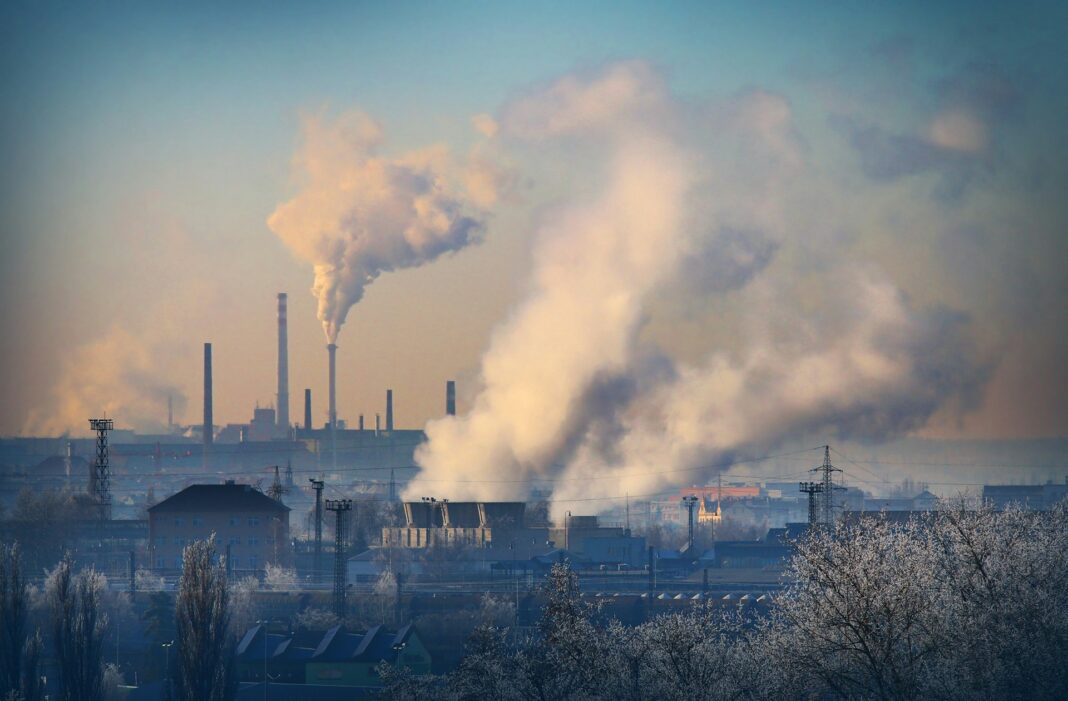


The debate between fossil fuel reliance and the push for green energy is a central issue in American politics, particularly as the country grapples with the twin challenges of economic growth and environmental sustainability. Presidents Joe Biden and Donald Trump have taken markedly different approaches to energy policy, each with distinct economic and environmental impacts.
Trump’s Energy Policy: Fossil Fuel Dominance
During his presidency, Donald Trump strongly supported the fossil fuel industry, which includes coal, oil, and natural gas. His administration’s policies aimed to bolster domestic energy production, reduce regulatory barriers, and ensure energy independence for the United States. Some key aspects of Trump’s energy policy included:
- Deregulation: Trump rolled back numerous environmental regulations that he believed hindered energy production. This included withdrawing from the Paris Climate Agreement and rescinding the Clean Power Plan, which aimed to reduce carbon emissions from power plants.
- Support for Coal and Oil: The Trump administration actively sought to revive the coal industry by rolling back regulations considered burdensome to coal mining and coal-fired power plants. Additionally, Trump opened up federal lands and waters to oil and gas drilling, including the Arctic National Wildlife Refuge (ANWR).
- Economic Impacts: Trump’s policies were geared toward creating jobs in the fossil fuel industry, maintaining low energy prices, and ensuring energy independence. These policies boosted oil and gas production, making the U.S. a net energy exporter by 2019. However, critics argue that this focus on fossil fuels delayed the transition to renewable energy sources, potentially sacrificing long-term economic stability for short-term gains.
- Environmental Impacts: The environmental consequences of Trump’s policies included increased greenhouse gas emissions and potential long-term damage to ecosystems due to expanded drilling and mining activities. Critics also argue that deregulation contributed to pollution and climate change, with long-term costs that could outweigh the immediate economic benefits.
Biden’s Energy Policy: Green Energy Transition
In contrast, President Joe Biden has made the transition to green energy a cornerstone of his administration’s agenda. His energy policies are focused on addressing climate change, reducing carbon emissions, and investing in renewable energy sources like wind, solar, and electric vehicles (EVs). Key elements of Biden’s energy policy include:
- Rejoining the Paris Climate Agreement: On his first day in office, Biden rejoined the Paris Climate Agreement, signaling a renewed commitment to global efforts to combat climate change. This move underscored his administration’s focus on reducing carbon emissions.
- Infrastructure and Clean Energy Investment: The Biden administration has prioritized investment in clean energy through the Infrastructure Investment and Jobs Act and other initiatives. This includes funding for electric vehicle infrastructure, renewable energy projects, and research into new green technologies.
- Phasing Out Fossil Fuels: Biden’s policies aim to reduce reliance on fossil fuels by phasing out subsidies for oil and gas companies and setting ambitious targets for carbon neutrality by 2050. The administration has also placed a temporary moratorium on new oil and gas leases on federal lands.
- Economic Impacts: Biden’s push for green energy is intended to create new jobs in the renewable energy sector, drive innovation, and position the U.S. as a global clean energy market leader. However, there are concerns about the potential economic disruption in fossil fuel-dependent regions and industries, particularly regarding job losses.
- Environmental Impacts: The environmental benefits of Biden’s policies include reduced carbon emissions, improved air quality, and the promotion of sustainable energy sources. By focusing on green energy, the Biden administration aims to mitigate the effects of climate change and reduce the U.S.’s carbon footprint.
Comparing the Two Approaches
- Economic Outcomes: Trump’s policies benefited the fossil fuel industry, providing immediate job creation and energy independence. However, these benefits may be short-lived as the global energy market shifts towards renewables. Biden’s approach aims to position the U.S. for long-term economic growth in the renewable energy sector, though the transition may cause economic disruptions in the short term.
- Environmental Outcomes: Trump’s emphasis on fossil fuels contributed to higher carbon emissions and potential environmental degradation, while Biden’s policies aim to reduce these impacts significantly. The transition to green energy under Biden is seen as crucial for combating climate change, though it faces challenges in implementation and cost.
Conclusion
The debate between fossil fuel reliance and the push for green energy reflects broader discussions about the future of America’s economy and its role in addressing climate change. Trump’s approach focused on immediate economic gains through fossil fuel production, while Biden’s policies aim for a long-term transition to a more sustainable and environmentally friendly energy system. As the U.S. moves forward, the effectiveness of these differing approaches will continue to shape the nation’s economic and environmental landscape.