

The Ongoing Concerns
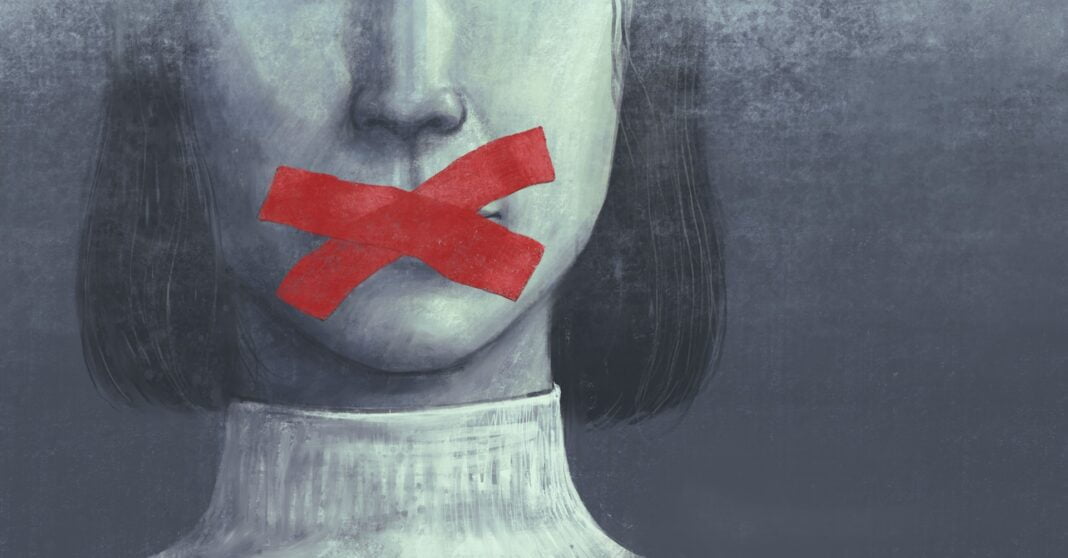
Over the past several years, there has been growing concern among conservatives that their voices are being disproportionately silenced on social media platforms. Prominent conservatives and Republican lawmakers have accused platforms like Facebook, Twitter (now X), and YouTube of bias, alleging that these companies suppress conservative content through practices like shadow banning, de-platforming, and the arbitrary enforcement of community standards.
A key point of contention is the perception that these platforms apply their rules more strictly to conservative viewpoints, particularly on issues like immigration, election integrity, and COVID-19 policies. For instance, Twitter’s decision to permanently ban former President Donald Trump after the January 6 Capitol riot was seen by many on the right as a clear example of political bias. Similarly, Facebook’s removal of certain content and accounts associated with conservative organizations has fueled the belief that Big Tech is suppressing conservative ideas.
The concern extends beyond individual cases, with many conservatives arguing that these platforms’ algorithms and content moderation practices inherently favor liberal perspectives. This belief has led to calls for greater transparency in how content decisions are made and has prompted legislative proposals aimed at addressing perceived imbalances.
Possible Legislative Actions
In response to these concerns, there have been several legislative efforts aimed at curbing what many see as the unchecked power of social media companies:
- Section 230 Reforms: Section 230 of the Communications Decency Act is a crucial focus of these efforts. This law protects online platforms from liability for content posted by users while also allowing them to moderate content in good faith. Critics argue that this provision gives platforms too much power to censor speech without accountability. Various proposals have been made to reform Section 230, including measures that would limit the immunity of platforms if they engage in biased moderation practices.
- State-Level Legislation: Some states, such as Florida and Texas, have passed or proposed laws that prevent social media companies from de-platforming users based on their political viewpoints. Florida’s law, for example, would allow residents to sue tech companies if they believe their content was unfairly censored. However, these state laws have faced legal challenges, with courts questioning their constitutionality under the First Amendment.
- Antitrust Investigations: Beyond content moderation, some lawmakers have also pushed to address the market dominance of major tech companies through antitrust actions. The argument is that by breaking up or regulating these companies more strictly, competition will increase, potentially leading to more diverse platforms offering greater free speech protections.
- Transparency and Accountability Measures: Another legislative approach requires social media companies to be more transparent about their content moderation policies and decisions. Proposals include mandatory reporting on how content is flagged and removed and clearer guidelines on what constitutes a violation of platform rules.
The Future of Free Speech in the Digital Age
The debate over conservative censorship on social media raises broader questions about the future of free speech in the digital age. As private companies, social media platforms are not bound by the First Amendment like government entities, which complicates the issue. However, given their role as the primary venues for public discourse in the modern era, many argue that these companies should be held to higher standards of neutrality and fairness.
The outcome of this debate will likely hinge on how the balance is struck between protecting free speech and maintaining the ability of platforms to moderate harmful or illegal content. If legislation tips too far in one direction, it could lead to an environment where platforms are either overly restrictive or, conversely, unable to prevent the spread of harmful misinformation and hate speech.
In the meantime, the rise of alternative platforms that market themselves as champions of free speech—such as Parler, Gab, and Truth Social—suggests that the market is responding to these concerns, even as the broader debate continues. The future of free speech in the digital age may well depend on legislative action, judicial interpretation, and the evolution of market dynamics.
This ongoing issue will continue to be a significant point of contention as society grapples with the implications of free speech in an increasingly digital and interconnected world.