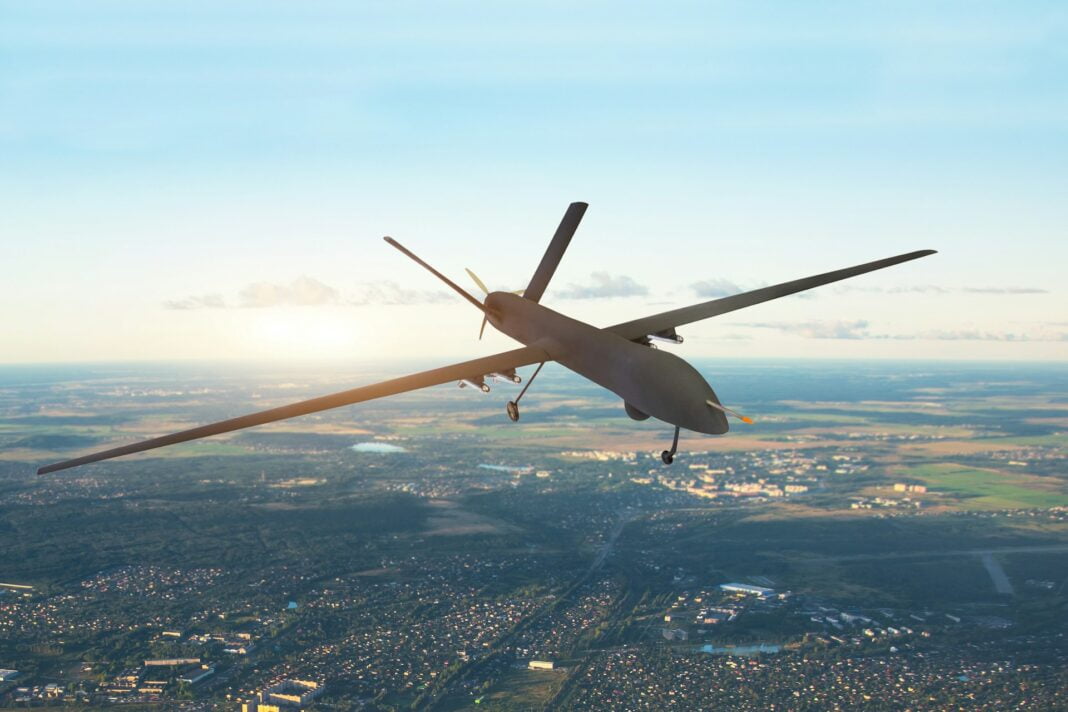


Advancements in technology are significantly altering the landscape of modern warfare, introducing new tools and strategies that have profound implications for national security. The development and deployment of drones, artificial intelligence (AI), and cyber capabilities are at the forefront of this transformation, reshaping how military operations are conducted and how nations prepare for and engage in conflict.
Drones: Precision and Persistence in the Air
Unmanned aerial vehicles (UAVs), commonly known as drones, have become indispensable in modern military operations. Their ability to conduct surveillance, gather intelligence, and execute precision strikes without putting human pilots at risk has revolutionized the battlefield.
- Surveillance and Reconnaissance: Drones provide real-time intelligence and situational awareness, allowing military commanders to monitor enemy movements, assess threats, and make informed decisions with unprecedented speed and accuracy. High-altitude drones like the Global Hawk can loiter over a target area for extended periods, providing continuous surveillance that was previously impossible.
- Precision Strikes: Armed drones, such as the MQ-9 Reaper, can carry out targeted strikes against high-value targets with minimal collateral damage. This capability has been instrumental in counterterrorism operations, where precision and the ability to act swiftly are critical.
- Ethical and Legal Challenges: The use of drones also raises ethical and legal questions, particularly regarding the rules of engagement, the potential for civilian casualties, and the implications of remote warfare, where operators may be thousands of miles away from the conflict zone.
Artificial Intelligence: Enhancing Decision-Making and Autonomous Systems
Artificial intelligence is another transformative force in modern warfare, with the potential to enhance decision-making processes, automate tasks, and even operate autonomous systems capable of conducting complex missions.
- Decision Support Systems: AI algorithms can analyze vast amounts of data to identify patterns, predict enemy actions, and recommend strategies. This capability is precious in high-pressure situations where rapid decision-making is crucial. For example, AI-driven systems can assist in missile defense by tracking incoming threats and determining the best interception strategies.
- Autonomous Systems: AI is also integrated into autonomous weapons systems, including drones, ground vehicles, and naval vessels. These systems can operate independently or in collaboration with human operators, conducting surveillance, reconnaissance, and even offensive operations with minimal human intervention. However, deploying fully autonomous weapons raises significant ethical concerns about accountability and potential unintended consequences.
- Cognitive Warfare: AI can also be used in psychological operations, influencing public opinion and enemy morale through disinformation campaigns and propaganda. This aspect of AI in warfare highlights the growing importance of the information domain in modern conflict.
Cyber Capabilities: The Invisible Battlefield
Cyber warfare represents one of the most significant shifts in modern military strategy, introducing a new dimension where conflicts are fought in the digital realm rather than the physical one.
- Offensive Cyber Operations: Nations increasingly invest in offensive cyber capabilities to disrupt, degrade, or destroy enemy infrastructure. These operations can target critical systems such as power grids, communication networks, and financial systems, causing widespread disruption without the need for conventional military action.
- Defensive Cybersecurity: As reliance on digital networks grows, so does the need for robust cybersecurity measures. Protecting military and civilian infrastructure from cyberattacks has become a top priority, with governments and private sectors collaborating to strengthen their defenses.
- Cyber Espionage and Information Warfare: Cyber capabilities also play a crucial role in espionage, allowing nations to steal sensitive information, intellectual property, and state secrets. Additionally, information warfare, conducted through cyber channels, aims to influence public opinion, sow discord, and undermine trust in institutions.
Implications for National Security
The integration of drones, AI, and cyber capabilities into military operations presents both opportunities and challenges for national security:
- Asymmetrical Warfare: These technologies enable smaller or less advanced nations to challenge larger powers through asymmetrical tactics, where traditional military strength may be less decisive.
- Erosion of Conventional Deterrence: The rise of cyber warfare and autonomous systems may undermine conventional deterrence strategies, as conflicts may begin and escalate in ways that are less predictable and harder to control.
- Ethical and Legal Frameworks: The rapid pace of technological advancement in warfare outpaces existing ethical and legal frameworks, necessitating new international agreements and regulations to address issues such as autonomous weapons, cyber attacks, and the use of AI in decision-making.
- Strategic Stability: Deploying advanced military technologies may destabilize strategic balances, particularly if they lead to an arms race in AI, cyber capabilities, or autonomous weapons systems.
Conclusion
The development and deployment of drones, artificial intelligence, and cyber capabilities are profoundly changing the landscape of modern warfare. These technologies offer new military effectiveness opportunities but pose significant challenges and risks. As nations continue to innovate and integrate these tools into their defense strategies, the implications for national and global security will be profound, requiring careful consideration of this evolving battlefield’s ethical, legal, and strategic dimensions.